
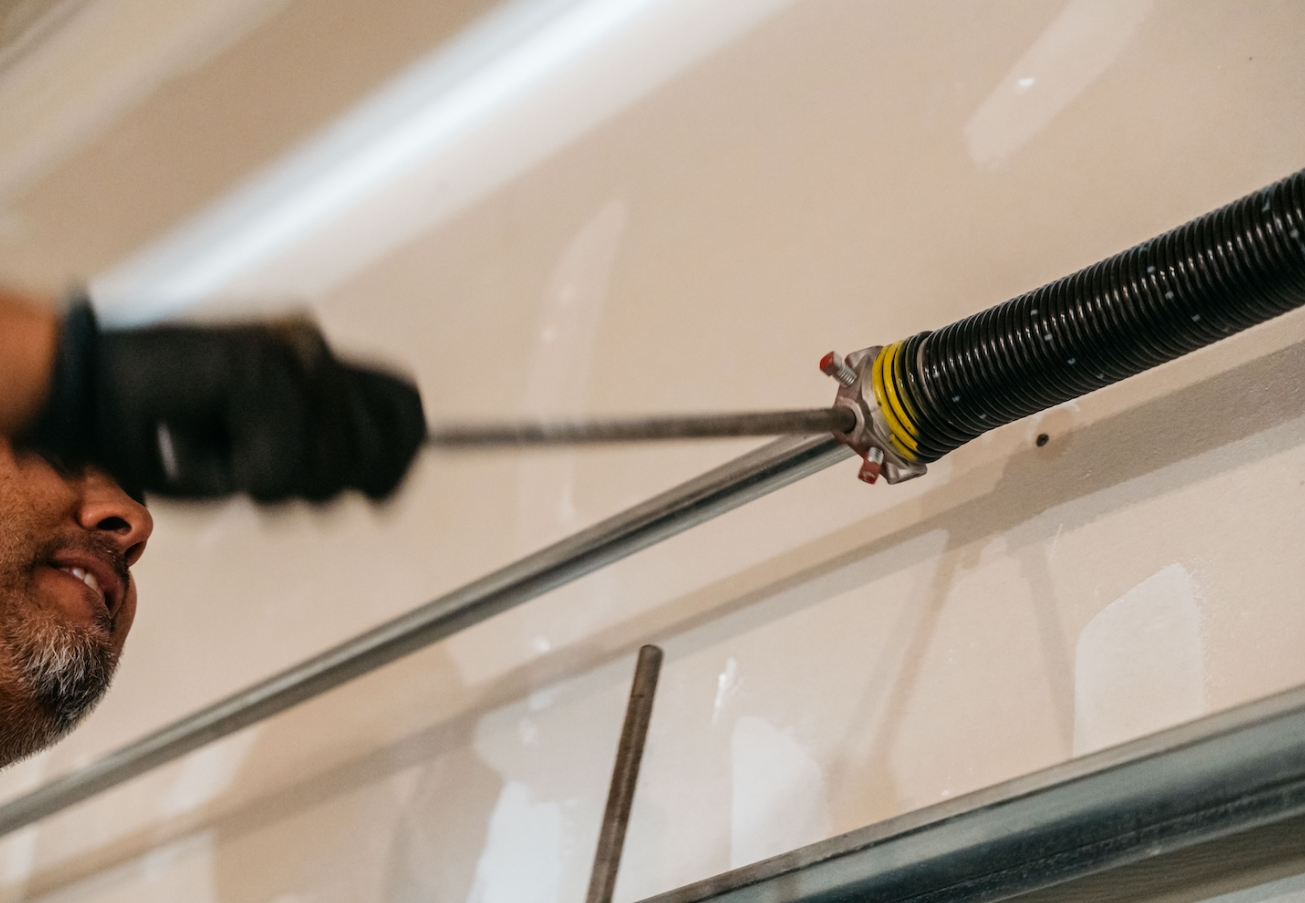
Signs You Are Due for Garage Door Spring Replacement
Imagine your garage door as the strongest athlete in your home, lifting hundreds of pounds daily without complaint. However, even the toughest athletes eventually wear down, and the springs bear the brunt of that physical toll. If you notice your door moving sluggishly or hear strange groans from the hardware, you likely need a professional garage door spring replacement from Garage Door Repair Boca Raton before the system fails entirely.
These springs act as the mechanical muscles of your door, and once they lose their elasticity or snap, your heavy garage door becomes a dangerous, immovable wall. Recognizing the early warning signs saves you from the frustration of a trapped car and the high cost of emergency repairs. At Garage Door Repair Boca Raton, we specialize in identifying these “muscle” strains before they lead to a total breakdown.
The Tell-Tale Sound of a Snapped Spring
The most dramatic sign of a failing spring isn’t subtle. Most homeowners describe a sound like a gunshot or a heavy metal pipe hitting the concrete. This explosive noise occurs when the high-tension steel finally reaches its fatigue limit and snaps. If you hear this sound while you are inside the house, check your garage immediately. Even if the door looks fine at a glance, a broken torsion spring will show a visible gap of two to three inches in the middle of the coil.
When a spring snaps, the door loses its counterbalance. If you try to open it, you will notice the motor straining or the door refusing to lift more than a few inches off the ground. The opener simply cannot handle the dead weight of the steel panels without the assistance of the springs. Attempting to force the door open in this state will burn out your motor’s gears, turning a simple spring fix into a much more expensive project.
Visual Clues and Gaps in the Coils
You don’t always have to wait for a loud bang to know trouble is brewing. A simple visual inspection once a month can reveal a lot about your door’s health. Look at the springs located on the metal shaft above your door. If you see “bleeding” rust—which looks like reddish-brown dust coming from the coils—the metal is corroding from the inside out. This rust increases friction between the coils, causing them to wear down faster every time you use the door.
You should also look for “gapping” or elongation. If the spring appears stretched out or the coils no longer sit tightly against one another, the steel has lost its “memory” and its ability to provide lift. Another common visual cue is a crooked door. If one spring holds more tension than the other, the door will pull unevenly, causing it to slant in the tracks. This misalignment puts immense pressure on the rollers and hinges, eventually leading to a complete system jam.
Slow Operation and Excessive Noise
Does your garage door move at a snail’s pace compared to how it performed last year? As springs weaken, they provide less assistance to the motor. You might notice the door jerking as it rises or hearing a loud “twanging” sound as the weakened metal struggles to expand and contract. This extra friction creates a symphony of squeaks and groans that signify the end of the spring’s lifespan.
You can perform a simple “balance test” to check the spring strength. Disconnect the opener and try to lift the door halfway by hand. If the door feels incredibly heavy or slams back to the floor, the springs are no longer doing their job. A well-balanced door should stay in place at the halfway point with very little effort. If your door fails this test, you are living on borrowed time before a total mechanical failure occurs.
Don’t wait for your door to crash down or trap your family inside during a busy morning. Monitoring these red flags ensures you stay ahead of mechanical fatigue. If you see rusted coils, hear loud bangs, or notice an unbalanced door, it is time for a professional garage door spring replacement. Reach out to the experts at Garage Door Repair Boca Raton to restore your home’s safety and convenience. Our technicians bring the specialized tools and heavy-duty parts needed to keep your door running smoothly for years to come.